Metabolic Research
-
MOTS-c Research: Mitochondrial Signaling and AMPK
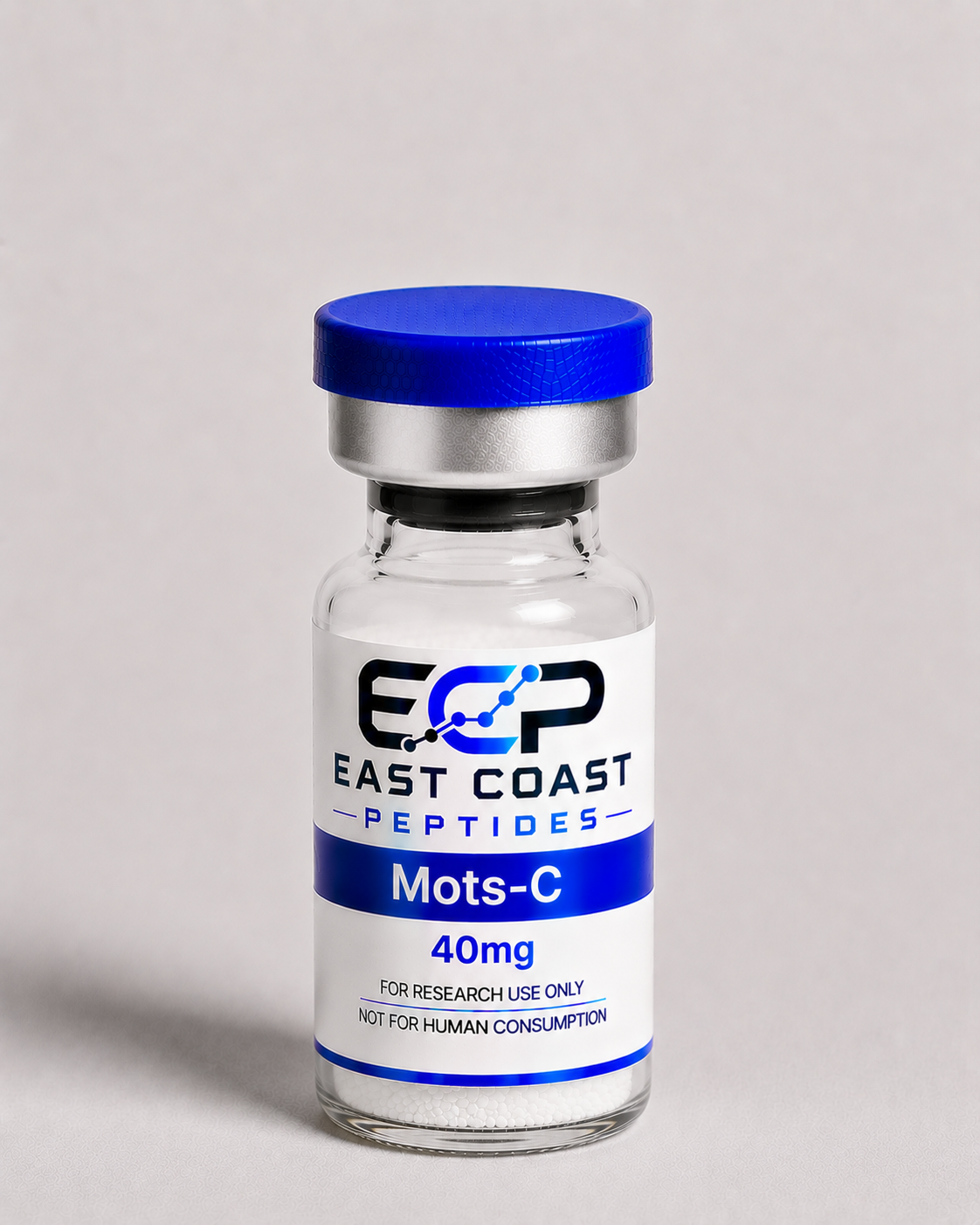
Explore MOTS-c research, including its mitochondrial origin, AMPK activation, glucose metabolism, insulin sensitivity, exercise-related signaling, nuclear translocation, mitochondrial-to-nuclear communication, and aging biology.
Aging ResearchMitochondrial DNA, AMPK Signaling, Exercise Biology, Exercise Mimetic Research, Glucose Metabolism, Insulin Sensitivity, Metabolic Flexibility, Metabolic Research, Mitochondrial Biogenesis, Mitochondrial Function, Mitochondrial Peptides, Mitochondrial Signaling, Mitochondrial-Derived Peptides, MOTS-c, MOTS-c Research, Nuclear Translocation, Retrograde Signaling, Skeletal Muscle Research -
HGH vs. IGF-1 LR3: Key Differences Explained
Explore the key differences between HGH and IGF-1 LR3, including their roles in the GH/IGF-1 axis, receptor signaling, metabolic effects, muscle research, and distinct experimental applications.
Cell Growth Research, Endocrine ResearchSomatropin, GH/IGF-1 Axis, Growth Hormone Receptor, Growth Hormone Research, HGH vs IGF-1 LR3, Human Growth Hormone, IGF Binding Proteins, IGF-1 LR3, IGF-1 Receptor, IGF-1 Research, JAK2 STAT5 Signaling, Long R3 IGF-1, MAPK ERK Signaling, Metabolic Research, Muscle Biology, Peptide Research, PI3K Akt mTOR -
HGH: Functions, Benefits, and Research Insights
Explore human growth hormone research, including GH receptor signaling, the GH/IGF-1 axis, muscle and fat metabolism, glucose regulation, bone and connective-tissue biology, aging, growth hormone deficiency, and GH secretagogue research.
Adult Growth Hormone Deficiency, Bone Health Research, Connective Tissue Research, Endocrine Research, Fat Metabolism, GH/IGF-1 Axis, GHRH, Growth Hormone Receptor, Growth Hormone Research, Growth Hormone SecretagoguesSomatopause, HGH, Human Growth Hormone, IGF-1 Research, JAK2 STAT5 Signaling, Metabolic Research, Muscle Metabolism, Pituitary Hormones, Recombinant HGH -
Post GLP Guide: Comprehensive Review of GLP Peptides
Explore the differences between GLP-1, GLP-2, and the less-characterized GLP-3, including their origins in proglucagon, receptor signaling, roles in glucose regulation, appetite, intestinal growth, barrier integrity, and current research limitations.
Appetite Regulation, Gastrointestinal ResearchGLP-1 Receptor, GLP-1, GLP-1 Research, GLP-2, GLP-2 Receptor, GLP-2 Research, GLP-3, Glucagon-Like Peptides, Glucose Homeostasis, Gut Peptides, Incretin Research, Insulin Secretion, Intestinal Barrier, Intestinal L-Cells, Metabolic Research, Proglucagon, Short Bowel Syndrome Research -
The Role of SLU-PP-332, MOTS-c, and 5-Amino-1MQ in Exercise Biology
Explore how SLU-PP-332, MOTS-c, and 5-Amino-1MQ influence different exercise-related pathways, including ERR signaling, AMPK activation, NAD⁺ metabolism, mitochondrial biogenesis, fat oxidation, and insulin sensitivity. This comparison explains their distinct research applications and why no compound can reproduce the full physiological effects of exercise.
5-Amino-1MQ, AMPK Signaling, ERR Agonist, ERR Gamma, Exercise Mimetics, Exercise PhysiologERR Alpha, Fat Oxidation, Insulin Sensitivity, Metabolic Research, Mitochondrial Biogenesis, Mitochondrial Peptides, MOTS-c, NAD+ Metabolism, NNMT Inhibition, PGC-1 Alpha, Sirtuin Signaling, Skeletal Muscle Research, SLU-PP-332 -
Understanding Cagrilintide: The Future of Appetite Regulation
Explore cagrilintide research, including its long-acting amylin-receptor activity, effects on satiety, gastric emptying, glucagon signaling, and its combination with semaglutide in CagriSema. This overview also examines clinical findings, proposed metabolic mechanisms, and current research limitations.
-
Essential Steps for Reconstituting Lyophilized Peptides
Lyophilized peptides are supplied as freeze-dried powders to improve stability during storage and transport. Before they can be used in laboratory experiments, the powder must be dissolved in a compatible sterile solvent through a process known as reconstitution. The correct solvent, concentration, storage conditions, and handling method depend on the specific peptide and research protocol.…
